
In This Article
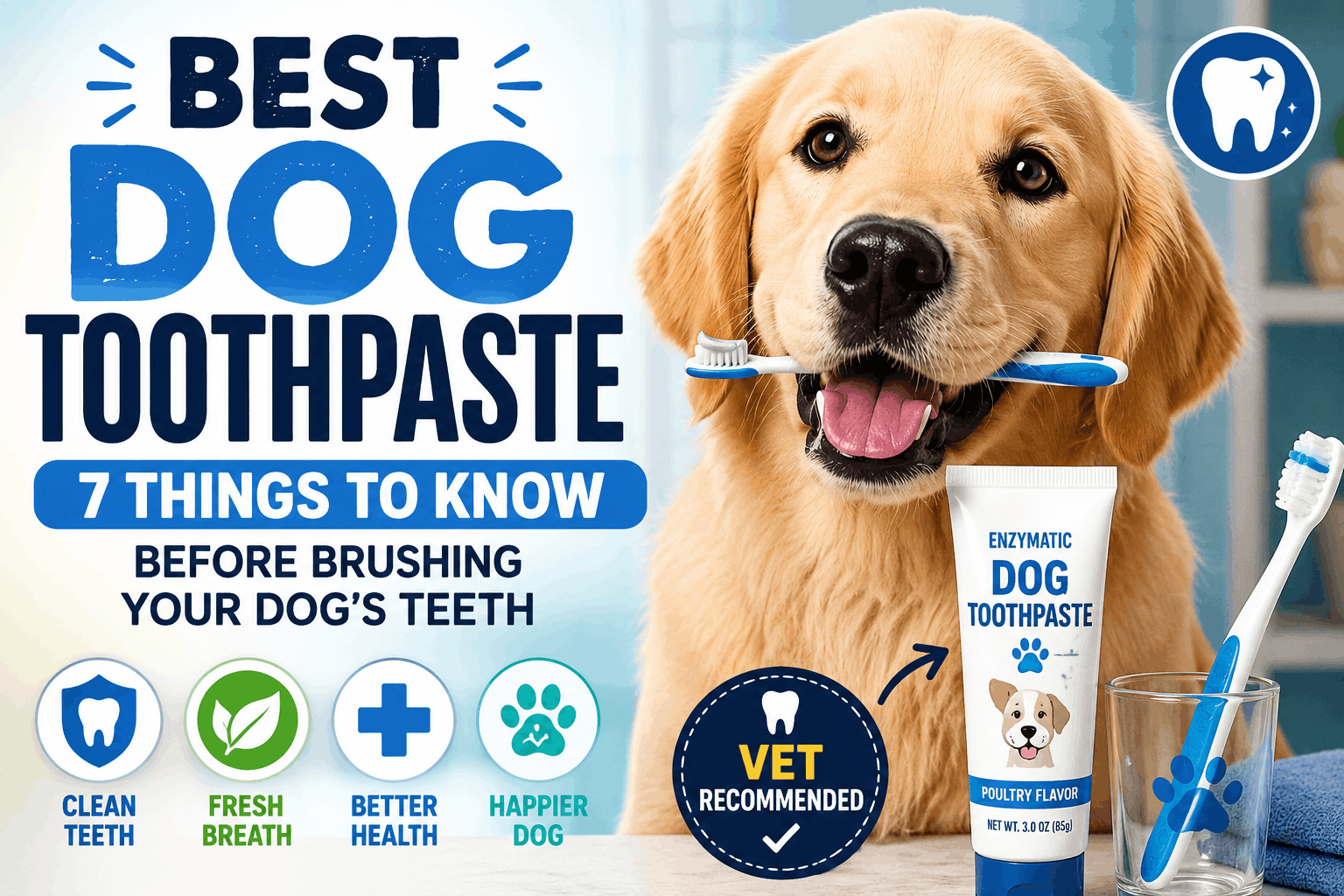
Finding the best dog toothpaste isn’t something I ever thought I’d spend hours researching, but here we are. I have a golden retriever, and if you’ve ever owned one, you know exactly how it is, they’re incredibly friendly but also a little too mischievous for their own good. For the longest time I genuinely believed brushing was a “human thing” and dogs just didn’t need any of that. Then one day I noticed his breath smelling off whenever he came up close, and my first thought was that something was seriously wrong with him. I took him to the vet half worried, and the doctor just laughed a bit and told me dogs need their teeth brushed almost as much as humans do. That one line changed how I looked after him completely, and I’ve spent years since then figuring out what actually works for him.
Dental disease is one of the most overlooked health issues in dogs. By the time most dogs turn three, they already show some sign of plaque buildup or early gum disease. It doesn’t always look dramatic. Sometimes it’s just bad breath. Other times it’s a dog who suddenly doesn’t want to chew on his favorite toy anymore because his gums hurt. The right toothpaste, used consistently, makes a real difference here, and it doesn’t need to be complicated or expensive.
Why Regular Brushing Actually Matters
Dogs can’t tell you when a tooth hurts. They just stop acting like themselves, or they get quieter around mealtime, or their breath gets worse than usual. Left untreated, plaque hardens into tartar, and tartar leads to gum infections that can eventually affect the heart and kidneys. Brushing two to three times a week with an enzymatic toothpaste breaks down that plaque before it becomes a bigger problem. It’s genuinely one of the cheapest preventive health habits you can build for your dog.
What to Look for in a Safe Dog Toothpaste
- No xylitol, fluoride, or foaming agents like SLS
- An enzymatic formula (enzymes break down plaque without needing to rinse)
- A flavor your dog will actually tolerate, poultry and peanut butter tend to work better than mint
- Ideally, the VOHC (Veterinary Oral Health Council) seal, which means the product was independently tested for effectiveness
Our Top Picks for US Dog Owners
1. Vet’s Best Enzymatic Dog Toothpaste This one’s been a staple in American households for years, and it’s easy to see why. It’s formulated by veterinarians using natural ingredients like neem oil, aloe, and baking soda, and it’s priced well enough that you won’t hesitate to restock. The banana flavor isn’t as instantly exciting to dogs as poultry, but most dogs warm up to it within a few tries.
2. Sentry Petrodex Enzymatic Toothpaste This is a veterinary-strength formula that doesn’t require a prescription. The poultry and peanut butter versions are genuinely popular with picky dogs, and the enzymes work well on both plaque and breath odor. A word of warning though, it smells strong to humans, so brush in a well-ventilated spot.
3. Petsmile Professional Pet Toothpaste If you want the gold standard, this is currently the only pet toothpaste to carry full VOHC acceptance for plaque inhibition. It’s made in the US, has no artificial flavor or fragrance, and uses a patented formula that breaks down the protein layer where plaque first forms. It costs more than the others, but for dogs with a history of dental issues, it’s worth the extra spend.
4. Virbac C.E.T. Enzymatic Toothpaste A long-time favorite among vet clinics, this one comes in poultry and vanilla-mint flavors and uses a dual-enzyme system to fight bacteria. It’s one of the more widely stocked options at vet offices across the country, which says something about how much clinics trust it.
A Few Honest Tips From Someone Who’s Been There
Start slow. Don’t expect your dog to sit still for a full brushing session on day one. Let them lick a bit of the toothpaste off your finger first so they associate the flavor with something good, then work up to a few seconds of brushing at a time. Consistency matters far more than technique here. A rushed, awkward two minutes, three times a week, beats a perfect five-minute session that only happens once a month because your dog dreads it.
If your dog absolutely refuses a toothbrush, dental wipes or a finger brush can be an easier entry point. And if you notice red or bleeding gums, don’t push through it, call your vet first.
FAQ
Q1. Can I use human toothpaste on my dog? No. Human toothpaste often contains fluoride and sometimes xylitol, both of which are harmful if swallowed, and dogs can’t spit like we do. Always use a toothpaste made specifically for dogs.
Q2. How often should I brush my dog’s teeth? Two to three times a week is the general recommendation for most dogs, though daily brushing gives the best results if your dog tolerates it well.
Q3. What if my dog won’t let me brush his teeth at all? Try dental wipes, a finger brush, or a water additive as an easier starting point, and slowly introduce a toothbrush once your dog is more comfortable with having his mouth handled.
What’s New
Best Dog Grooming Guide Tips for a Clean, Healthy & Happy Dog
Best Dog Food for Sensitive Stomachs: Ingredients to Choose & Avoid
Puppy Vaccination Schedule: What Shots Does Your Puppy Need and When?