
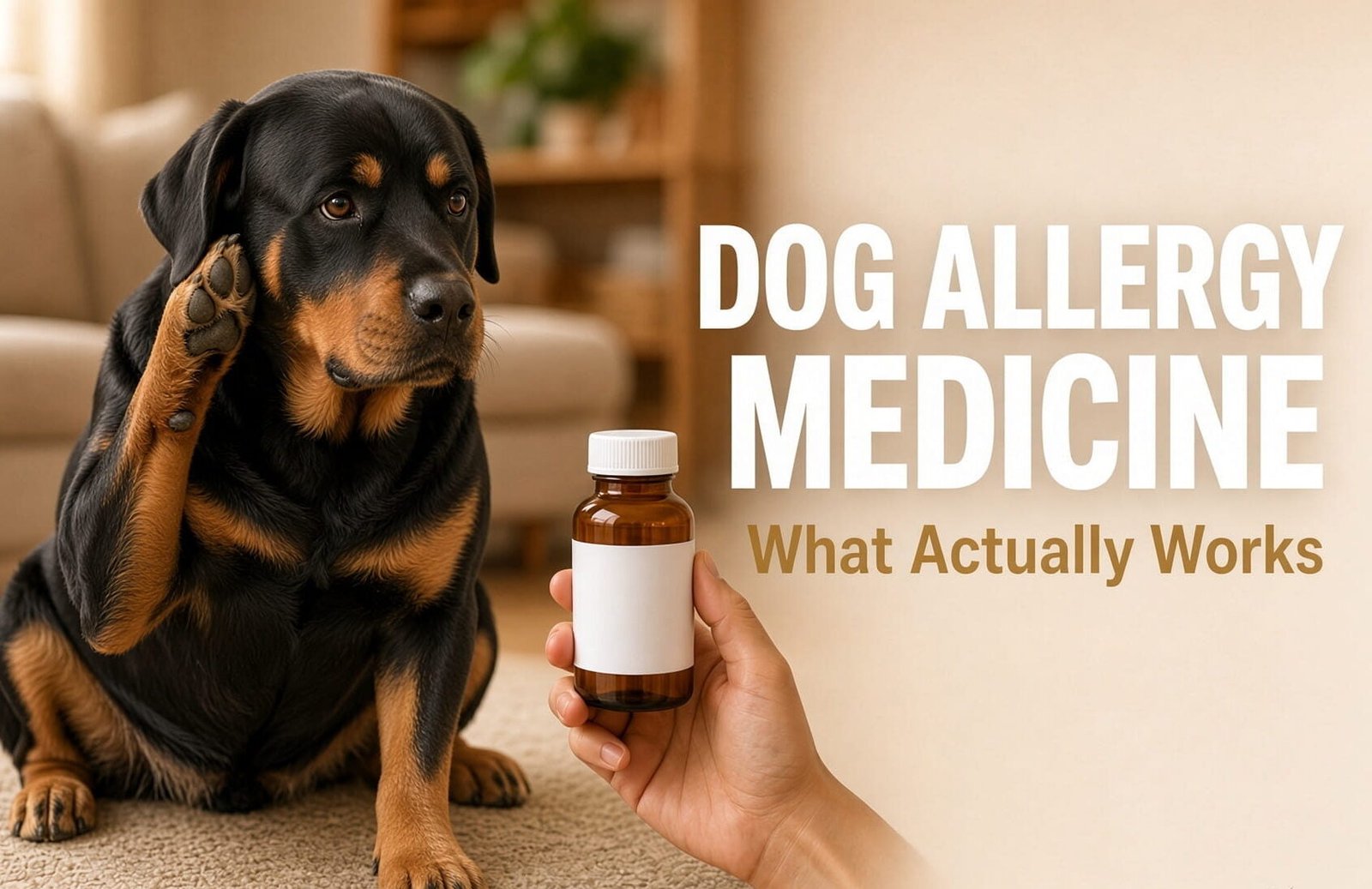
It started with this one spot near his hind leg. Our golden retriever kept going back to it, over and over, licking and scratching until the fur actually started thinning out right there. At first I brushed it off, figured he’d bumped into something in the yard or picked up a stray bug bite, the kind of thing that clears up on its own in a day or two. A week later, it hadn’t gotten better, if anything it looked worse, and that’s when I actually sat down and started reading about Dog Allergy Medicine for the first time in my life. I wasn’t prepared for how many options there actually are, Benadryl, Apoquel, Cytopoint, half a dozen names I’d never even heard of, all claiming to be the answer.
If your dog is going through something similar right now, the constant scratching, the red patches, maybe ear infections that just won’t quit, I get it. Here’s the breakdown I wish someone had just handed me on day one, no confusing brand names thrown at you all at once, just what actually works and when.
Figuring Out What’s Actually Causing It
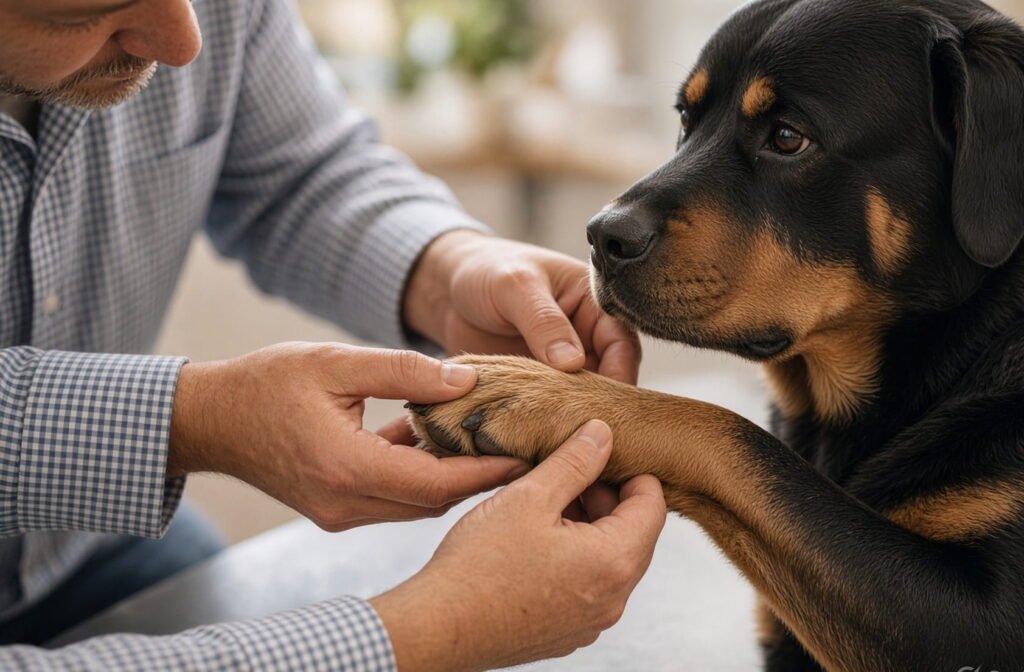
Before jumping to any Dog Allergy Medicine, it helps to know what’s triggering the reaction in the first place, since the approach genuinely changes depending on the cause. Food allergies, environmental triggers like pollen or dust mites, flea allergies, and simple contact irritation can all look almost identical on the surface, itching, redness, hot spots, or ear infections. A vet visit to narrow this down actually saves time and money in the long run, rather than guessing and cycling through products that don’t address the real issue.
Over-the-Counter Options for Mild Symptoms
For occasional, mild itching, antihistamines are usually the first thing people reach for. Diphenhydramine, better known as Benadryl, cetirizine, sold as Zyrtec, and loratadine, known as Claritin, are all antihistamines that some vets consider appropriate for dogs in specific situations. The important part here is checking the label carefully, plain formulations only, since anything with added decongestants or xylitol is genuinely dangerous for dogs. Even then, dosing depends entirely on your dog’s weight, so this is something to confirm with your vet rather than eyeballing it from an online chart. Worth knowing too, antihistamines tend to help mild cases, but vets generally note they’re not especially effective for anything more persistent than that.
Prescription Dog Allergy Medicine for Ongoing Cases
When itching becomes a daily struggle rather than an occasional flare, vets typically move toward more targeted treatments. Apoquel is an oral medication that blocks the itch signal directly and tends to work within hours rather than days. Cytopoint works differently, it’s an injectable option that some vets prefer for puppies or dogs that are hard to pill, and it lasts four to eight weeks per dose. Newer options like Zenrelia have entered the picture too, often considered for dogs who haven’t responded well to older treatments. None of these cure the underlying allergy, they manage the symptom, so the itch tends to return once a dose wears off unless the actual trigger gets addressed separately.
What Vets Actually Recommend Long-Term
A solid long-term allergy plan usually isn’t just one product, it’s a combination. Year-round flea prevention rules out one common trigger entirely. Omega-3 supplements support the skin barrier and can reduce flare frequency over time. Medicated shampoos help manage flare-ups locally without adding another oral medication into the mix. For dogs with a suspected food allergy, an elimination diet under veterinary guidance is often more useful than any Dog Allergy Medicine on its own, since it addresses the cause instead of just the symptom.
When to Actually See a Vet

If the itching is constant, if your dog is chewing skin raw, if you notice hair loss, open sores, or a smell coming from the ears, that’s beyond what any over-the-counter option should be handling alone. A vet can also rule out infections that sometimes ride along with allergies and need separate treatment entirely.
Our dog ended up needing a short round of a prescription option alongside a flea-prevention check, turned out that was part of the trigger all along. Within about two weeks, the scratching had noticeably settled down.
FAQ
Q1. Is Benadryl safe as Dog Allergy Medicine?
Yes, in plain form, but dosing depends on your dog’s weight, so check with your vet first. Avoid formulas with decongestants or xylitol.
Q2. How is Apoquel different from Cytopoint?
Apoquel is a daily pill that works in hours. Cytopoint is an injection given every 4-8 weeks. Vets often prefer Cytopoint for puppies or pill-resistant dogs.
Q3. Can Dog Allergy Medicine cure allergies completely?
No, it manages the itching, not the root cause. Long-term relief comes from identifying and addressing the actual trigger.
What’s New
Best Dog Grooming Guide Tips for a Clean, Healthy & Happy Dog
Best Dog Food for Sensitive Stomachs: Ingredients to Choose & Avoid
Dog Training: 9 Simple Ways to Train Your Dog at Home