
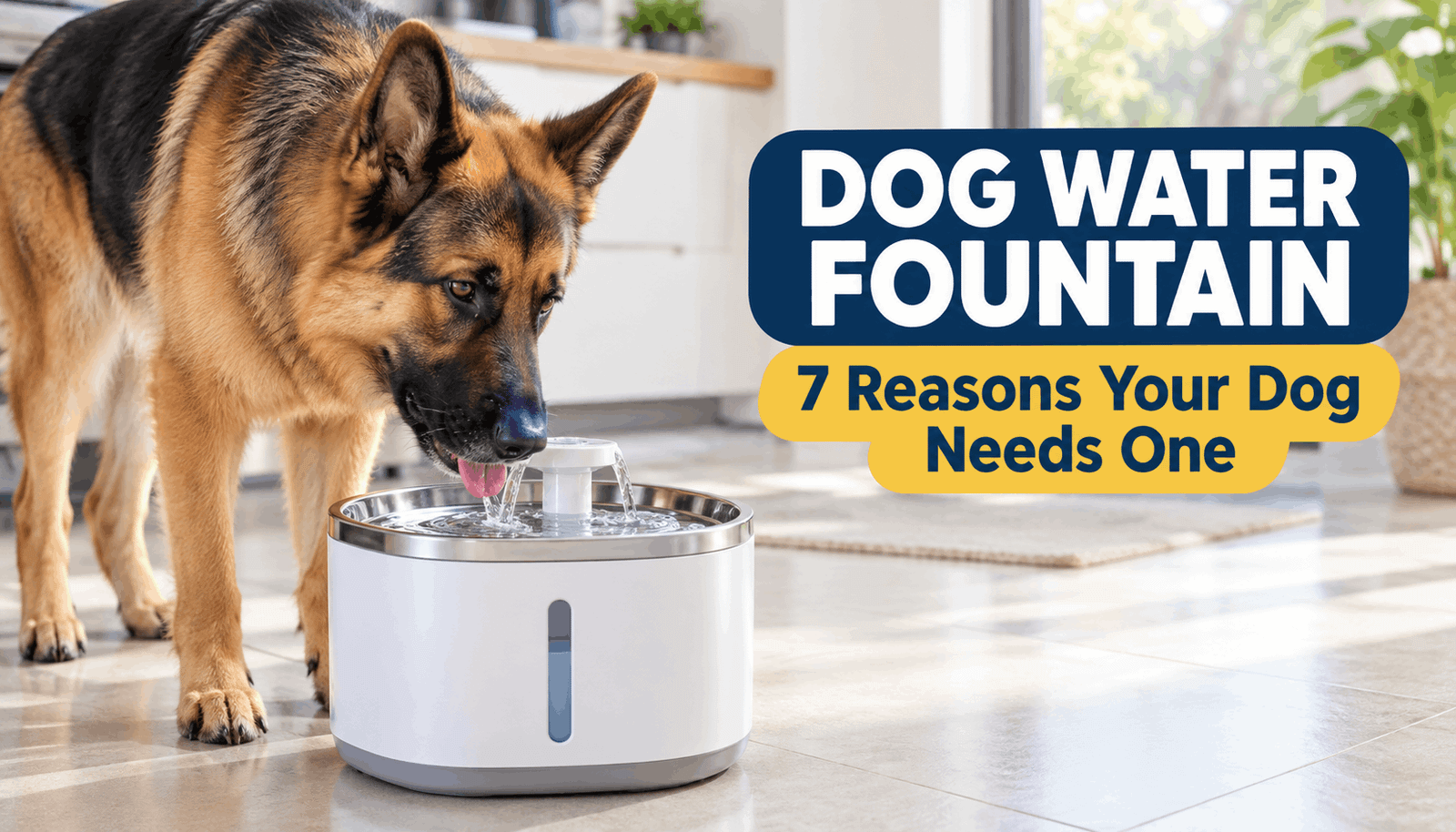
A Dog Water Fountain was not something I even thought about until I noticed my German Shepherd barely touching his water bowl some days. He would drink a little in the morning and that was it. I kept refilling it with fresh water, but the bowl just sat there most of the day, warm and untouched. A friend who breeds dogs told me something simple, dogs are more drawn to moving water than still water sitting in a bowl. That one comment made me try a fountain, and the change in how often he went to drink was hard to ignore.
If you have ever wondered why your dog avoids the bowl some days, or if a Dog Water Fountain is actually worth buying, here is a simple, honest look at what it does and why it matters.
Why Dogs Like Moving Water More Than a Bowl
This part comes down to instinct. In the wild, running water is usually safer to drink than still water, since stagnant water is more likely to carry bacteria or parasites. That instinct never really left dogs, even after thousands of years living with us. A Dog Water Fountain keeps the water moving, which makes it smell and taste fresher, and that is exactly what pulls a dog back to the bowl more often during the day.
The Real Health Benefits of a Dog Water Fountain
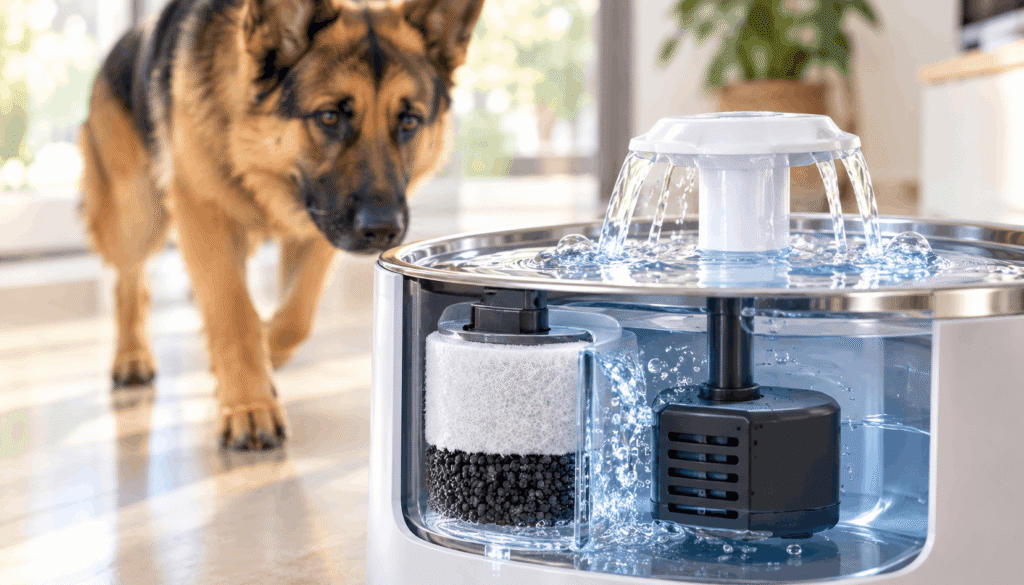
Getting a dog to drink more water is not just a nice bonus, it actually matters for his health. According to veterinary sources, circulating water can encourage pets to drink 30 to 50 percent more than they would from a still bowl. Good hydration supports the kidneys, helps flush the urinary tract, and can lower the chance of issues like urinary crystals or infections. This becomes even more important for dogs who mostly eat dry kibble, since kibble has very little water in it compared to wet food.
Fresh, moving water also stays cleaner for longer. A bowl left sitting for hours can collect hair, dust, and drool, while most fountains filter the water as it circulates, removing debris and keeping the taste clean. For older dogs or dogs with any kidney concern, vets often suggest a fountain as a simple way to support them without adding medication or extra effort.
Good for Picky Drinkers and Multi-Dog Homes
Some dogs are just picky about water the same way they are picky about food. A Dog Water Fountain often solves this without any training or fuss, the sound and movement alone is enough to draw them in. In homes with more than one dog, a larger fountain also means less time spent refilling bowls throughout the day, which is a small but real convenience.
What to Look for Before You Buy One
Not every fountain is built the same way. Look for one with a proper filter, ideally activated carbon, since that removes odors and impurities rather than just moving the water around. Size matters too, a small fountain works fine for one dog, but larger breeds or multiple dogs need a bigger tank so you are not refilling it constantly. Noise level is also worth checking, a fountain that hums loudly can actually scare off a nervous dog instead of attracting him.
Getting Your Dog Used to It
Some dogs walk right up and start drinking the first day. Others need a little time, especially if the sound of the motor catches them off guard. If your dog seems unsure, leave the fountain turned off for the first day or two so he can sniff around it, then turn it on once he is comfortable nearby. A treat placed near the fountain can also help build a positive association early on.
FAQ
Q1. Do dogs actually drink more water from a fountain? Yes, most owners notice their dog drinking more often once a fountain is introduced, largely because moving water feels fresher and more appealing than still water in a bowl.
Q2. Is a Dog Water Fountain safe for puppies? Yes, fountains are generally safe for puppies and can help build good drinking habits early, though it is worth checking your specific model’s size guidelines.
Q3. How often should I clean a dog water fountain? Most fountains need a full clean and filter change every two to four weeks, though homes with multiple dogs may need to clean it a bit more often.
What’s New
Best Dog Grooming Guide Tips for a Clean, Healthy & Happy Dog
Best Dog Food for Sensitive Stomachs: Ingredients to Choose & Avoid
Dog Training: 9 Simple Ways to Train Your Dog at Home